
The Golden Rules of Fracture Recovery: What to Do After Breaking a Bone
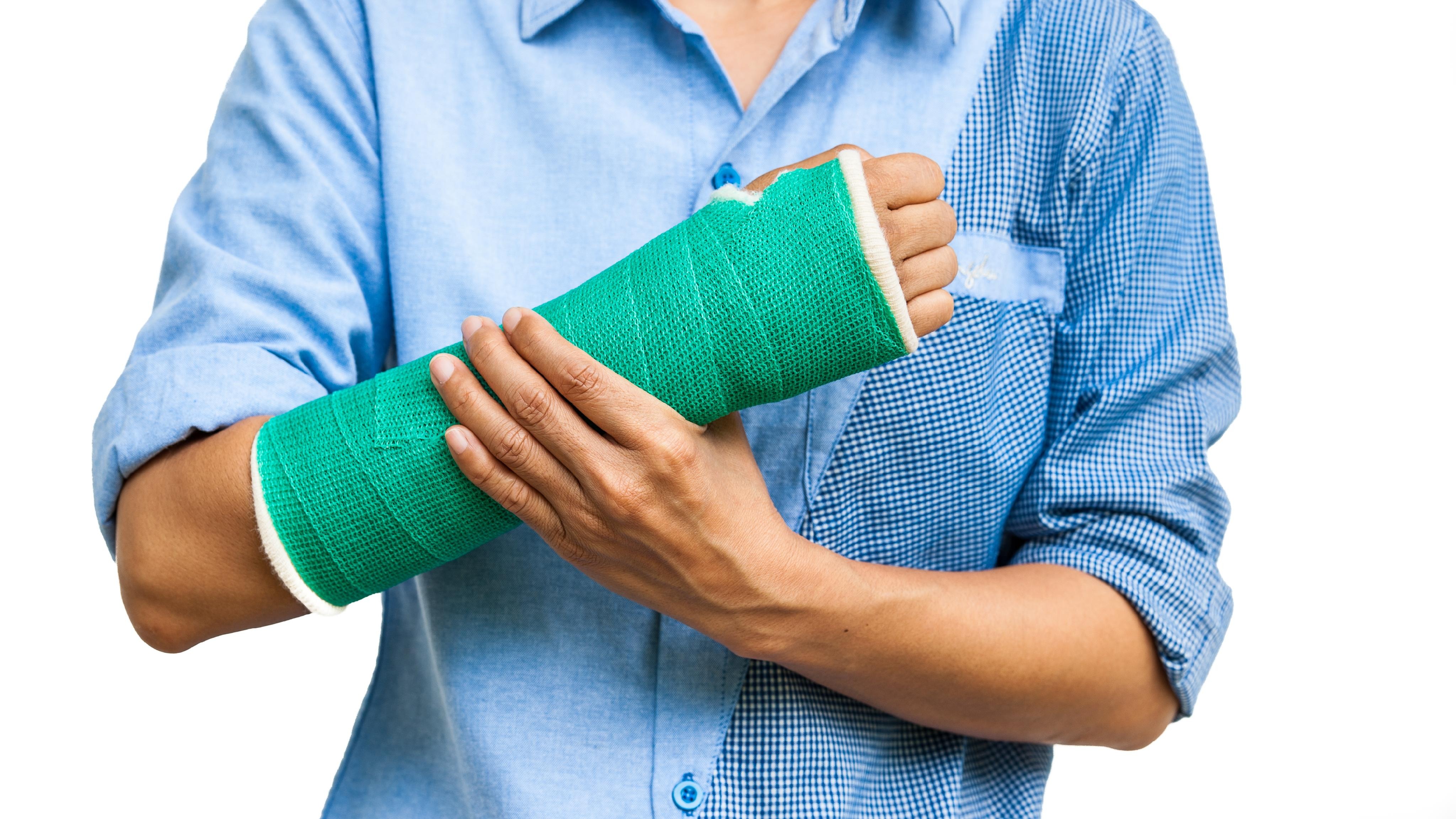
A sudden fall down the stairs, an awkward tackle during a weekend cricket match, or a jarring traffic accident—it only takes a split second for a normal day to turn into a medical emergency. Breaking a bone can bring your life to a sudden standstill, but with immediate, expert trauma and fracture treatment, getting back your strength and full mobility is highly achievable.
Whether it is a minor hairline crack or a severe break, how you handle the injury in the first few hours and the medical care you choose will dictate the rest of your recovery. Here are the golden rules of fracture care and what you need to expect on the road to healing.
Immediate Steps to Take When You Suspect a Fracture
In the moments immediately following an injury, adrenaline often masks the true severity of the pain. If you suspect a bone is broken, your primary goal is to prevent further damage before you reach an orthopedic clinic.
1. Immobilize the Area
Do not attempt to realign the bone or push a bone that is sticking out back in. Keep the injured limb as still as possible. If you know how, you can create a makeshift splint using a rolled-up magazine, a ruler, or a sturdy piece of cardboard gently wrapped with cloth. Moving a fractured bone can cause severe damage to the surrounding blood vessels and nerves.
2. Apply Ice to Reduce Swelling
Wrap an ice pack (or a bag of frozen vegetables) in a towel and apply it gently to the injured area. This helps numb the immediate pain and keeps the swelling down. Never apply ice directly to the skin, and keep the injured area elevated if possible.
Why Fast, Accurate Diagnosis Matters
You should never "wait and see" with a suspected fracture. Visiting a specialized orthopedic center immediately is crucial. At Osteon Orthopedic Hospital, we emphasize same-day evaluation with in-house digital X-rays to get an immediate, crystal-clear picture of the damage.
Certain fractures, particularly those involving the joints—such as an elbow or a complex knee injury might require an advanced CT scan to map out the exact fracture lines. Quick diagnosis ensures that the bone does not begin to heal in an incorrect, misaligned position. If you have already been diagnosed elsewhere but are unsure about the recommended treatment, getting an expert second opinion from a joint specialist can provide peace of mind.
Treatment Options: Casting vs. Surgical Fixation
Not all broken bones are treated the same way. Dr. Harshal V Kalambe Patil will determine your treatment based on the bone involved, the severity of the break, and your age.
When a Cast is Sufficient
If you have a "stable" or "non-displaced" fracture meaning the pieces of the bone still line up correctly surgery is rarely needed. The doctor will immobilize the limb using a fiberglass or plaster cast, or a functional brace. This simply holds the bones in the correct anatomical position while your body's natural healing process knits them back together.
When Surgery is Necessary
If the bone is shattered, protruding through the skin (compound fracture), or displaced (the ends no longer line up), you will likely require fracture fixation surgery.
During this procedure, the surgeon acts as a master architect, realigning the bone fragments and securing them internally using medical-grade titanium plates, screws, or rods. This is especially common in high-impact injuries requiring specialized shoulder surgery for a broken collarbone, or lower-body procedures like a knee osteotomy for complex joint trauma.
Tips for a Faster, Smoother Recovery at Home
The hospital treats the fracture, but the healing happens at home. To optimize your recovery:
Fuel Your Bone Healing: Your body needs extra energy to build new bone. Increase your intake of Calcium, Vitamin D, and lean proteins.
Do Not Skip Physical Therapy: Immobilizing a limb causes the surrounding muscles to atrophy (shrink) and the joints to stiffen. Once your bone is stable enough, guided physical therapy is non-negotiable to restore your range of motion and rebuild your muscle strength.
Follow Weight-Bearing Rules: If your doctor says "no weight-bearing for 4 weeks," they mean it. Putting weight on a surgically repaired leg too early can bend the internal metal plates and ruin the surgery.
Get Immediate Orthopedic Care in Pune
Accidents happen, but your recovery shouldn't be left to chance. A poorly healed fracture can lead to lifelong arthritis, chronic pain, and limited mobility.
For same-day evaluation, in-house X-rays, and expert fracture fixation for adults and children, visit Osteon Orthopedic Hospital in Pimple Saudagar. Call us for Immediate Assistance or get directions to our clinic for urgent orthopedic care.