
Growing Pains vs. Real Issues: When to Take Your Child to an Orthopedic Doctor
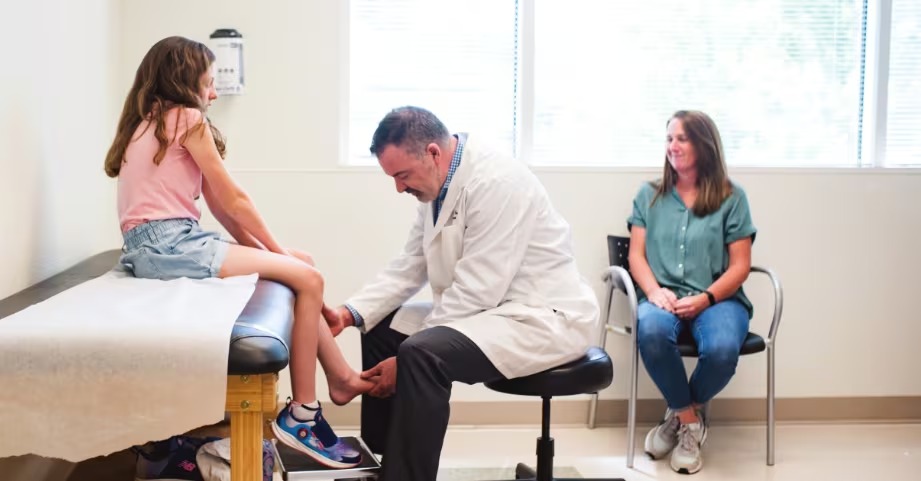
Kids bounce back quickly. Between playground tumbles, sports practices, and endless running around, bumps and bruises are just a normal part of childhood. But if your child is consistently limping, complaining of leg pain at night, or struggling to keep up with their friends, it is completely natural for a parent to worry.
Many well-meaning friends or relatives will dismiss these complaints as mere "growing pains." However, it might be time to stop waiting it out and consult a pediatric orthopedic specialist.
How can a parent tell the difference between a harmless growth spurt and a genuine musculoskeletal problem? Here is what you need to know about your child's bone health.
What Are Normal "Growing Pains"?
Despite the name, there is no firm medical evidence that bone growth actually hurts. However, "growing pains" is a universally recognized term for the muscle aches and cramps that affect nearly a third of all children, typically between the ages of 3 to 5, and again from 8 to 12.
If your child is experiencing true growing pains, the symptoms usually follow a specific pattern:
Timing: The aches almost always happen in the late afternoon, evening, or wake the child up in the middle of the night. By morning, the pain is completely gone.
Location: The pain is muscular, typically felt in the calves, front of the thighs, or behind the knees—but rarely in the joints themselves.
Symmetry: Growing pains almost always affect both legs, not just one.
Relief: They usually respond well to gentle massage, a warm heating pad, or a standard dose of children's ibuprofen.
5 Warning Signs That It Isn’t Just a Growing Pain
If your child’s symptoms fall outside the standard pattern mentioned above, you should not ignore them. Here are five major warning signs that indicate a need for professional orthopedic evaluation.
1. Pain in Only One Leg or Joint
While growing pains are bilateral (affecting both sides), pain isolated to a single knee, hip, or ankle is a red flag. If the pain is localized directly inside the joint rather than the muscle, it could be a sign of juvenile arthritis, an infection, or an overuse injury.
2. Limping or Changes in Walking (Gait)
Growing pains should never cause a child to limp during the day. If you notice a change in their gait, or if they are avoiding putting weight on a specific leg, it requires immediate attention.
3. Pain Accompanied by Swelling, Redness, or Fever
Muscular growing pains do not cause visible swelling. If a joint is swollen, warm to the touch, red, or accompanied by a fever, this can indicate a serious joint infection or inflammatory condition that needs urgent medical care.
4. Pain Worse in the Morning or After Activity
Pain that is worst when your child first wakes up (morning stiffness) is a classic sign of joint inflammation. Conversely, if your older child or teen experiences sharp knee pain directly linked to running or jumping sports, it might be an issue requiring arthroscopy and sports injury care, such as a meniscus tear or ACL injury
5. Persistent Back Pain
Back pain is relatively common in adults but highly unusual in young children. If your child complains of constant back pain, or if you notice uneven shoulders or a curved spine, it is vital to have them evaluated for spine and back conditions like scoliosis.
Common Pediatric Orthopedic Conditions
Children are not just miniature adults. Their bones are still actively developing, which makes them susceptible to unique conditions. A specialist can diagnose and treat issues like:
Growth Plate Injuries: The soft areas of cartilage at the ends of a child's long bones (growth plates) are the weakest parts of the skeleton. What might be a simple sprain in an adult can be a severe growth plate fracture in a child, requiring expert trauma and fracture fixation to ensure the bone continues to grow straight.
Gait Abnormalities: Conditions like flat feet, in-toeing (pigeon toes), bowlegs, or knock knees are common. While many children outgrow these naturally, a specialist can monitor their progress and intervene if they become severe.
Why Kids Need Specialized Orthopedic Care
Because a child’s musculoskeletal system is constantly changing, treating them requires a different approach than treating an adult. A misdiagnosed fracture or improperly treated joint issue in childhood can lead to lifelong limb deformities, unequal leg lengths, or early-onset arthritis.
If you are concerned about your child’s bone health, growth alignment, or a sudden sports injury, trust the unhurried, expert pediatric care at Osteon Orthopedic Hospital. Dr. Harshal V Kalambe Patil and his team provide the accurate diagnoses and gentle treatments parents trust.
Book a Consultation Today or Get Directions to Our Pimple Saudagar Clinic to get your child back to pain-free play.